

Circumcision Recovery and Healing Time
Book nowCircumcision is a safe, routine procedure that removes the foreskin, the skin covering the head of the penis. Families and adults across BC choose it for health and hygiene, to treat a medical condition, or for religious, cultural, or personal reasons. At Fulcrum Health, experienced clinicians provide comfortable circumcision for newborns, children, teens and adults, starting with a consultation to answer your questions and plan the right care for you or your child.
How long does circumcision take to heal? The answer depends on the patient's age, the procedure and individual healing. Newborn, older-child and adult recovery differ. Your treating clinician's written instructions should guide wound care, activity and follow-up.
How long does circumcision take to heal
Early healing after newborn circumcision often takes about 7 to 10 days. Adult healing commonly takes around 4 to 6 weeks and can take longer. These are general guides, not deadlines. The recommended method, health history and any complication can change the course. Ask what your clinician means by healing, because wound closure, comfort and return to particular activities may occur at different times.
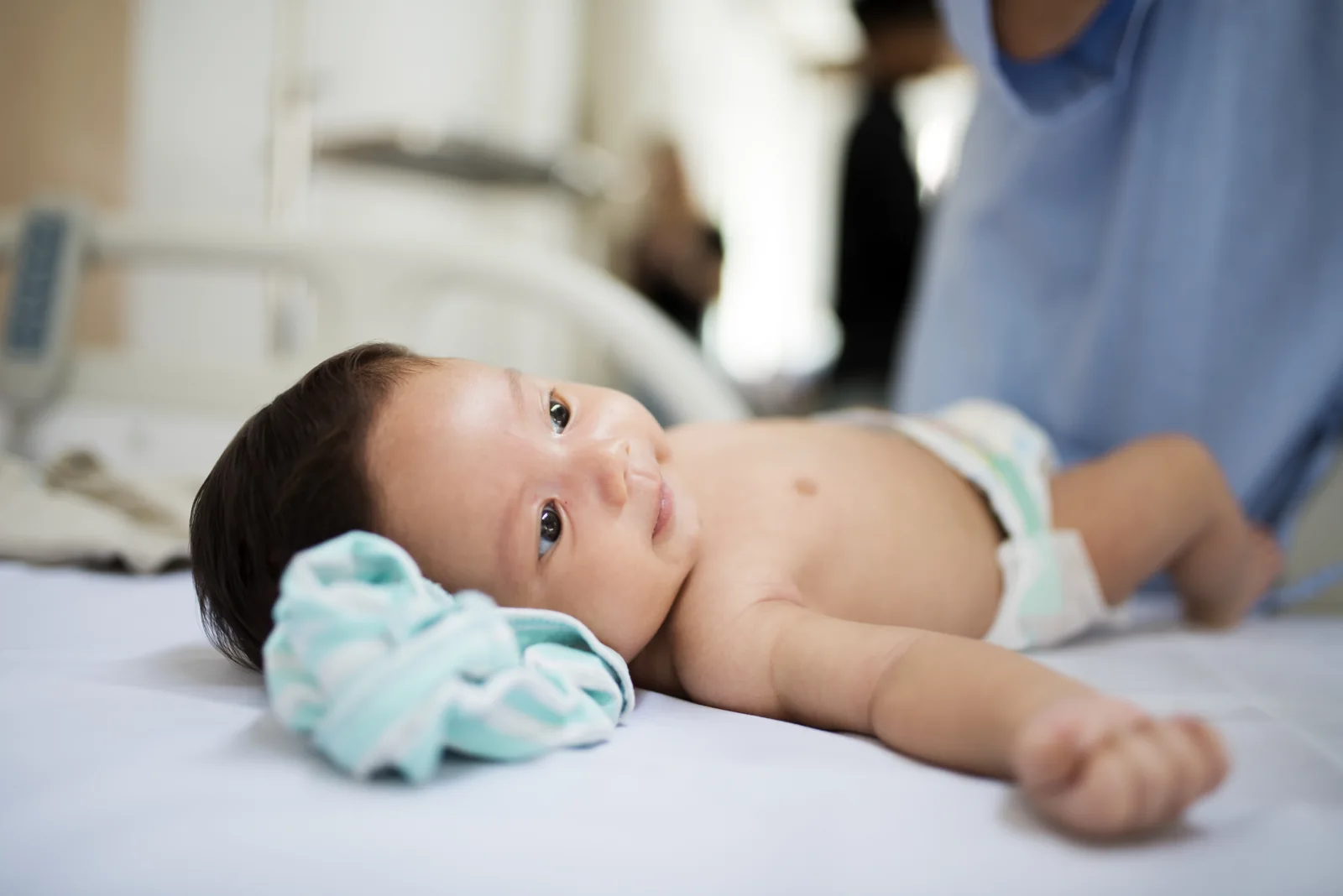
Newborn circumcision recovery
Parents should receive instructions about cleaning, dressings, any ointment and how to monitor the baby. Ask what changes are expected and which need a call. Follow the advice for the method actually used. Do not remove a device or change the care plan based on general instructions from another procedure. Keep the clinic's contact number where another caregiver can find it.
Circumcision recovery in older children
Older children may need several weeks for the wound, swelling and any dissolvable stitches to settle. Returning to school and returning to sport are separate decisions. Ask the surgeon when your child can resume swimming, cycling, playground activities and physical education. Age, the procedure and progress at follow-up affect the advice. Prepare other caregivers and the school with the relevant activity restrictions, and use the child's own aftercare plan rather than newborn or adult instructions.

Adult circumcision recovery and healing stages
In adults, the early period may include swelling, bruising and tenderness. Those changes should be interpreted in the context of the operation and the clinician's advice. At one week after circumcision, some healing may still be visible even if discomfort has eased. Later, the wound and scar continue to settle. An online description or photograph cannot confirm that your own recovery is progressing normally.
Wound care and comfort at home
Use the wound-care instructions supplied by the treating team, including when to change or remove a dressing and when to wash the area. Take only medicines that are appropriate for you and follow the prescribed or label instructions. Do not combine pain products without checking with a clinician or pharmacist, and do not improvise treatment for a possible infection.
Returning to work exercise and sexual activity
Ask separately about returning to work, driving, lifting, cycling, sport, swimming and sexual activity. Canadian adult aftercare guidance commonly recommends avoiding intercourse and masturbation for about six weeks, or until the treating clinician says it is safe. Fully healed tissue and clinical clearance matter more than reaching a calendar date. Infant and older-child activity advice must be age-appropriate.
When to seek medical attention
Seek prompt medical care for bleeding that will not stop, inability to urinate, worsening pain, a wound opening, fever or signs of infection. For a young infant, a temperature of 38°C or more, an unwell appearance or a concerning change in feeding or urination needs urgent assessment. Do not delay urgent care while waiting for an email reply or a scheduled follow-up.
Follow your individual aftercare plan
Before leaving the appointment, confirm who to contact, how follow-up is arranged and what to do outside clinic hours. Read the pediatric or adult service page for age-specific consultation questions. If the advice here differs from your personal aftercare instructions, contact the treating clinician to clarify the plan rather than choosing instructions yourself.